
AI and Custom Software for Energy & Utilities
Lightning Ventures helps energy retailers, generators, network operators, and utilities deploy AI and custom software that automates asset and compliance reporting, processes field and meter data, and streamlines outage and maintenance workflows. We build systems that keep the lights on, satisfy the regulator, and cut the manual admin behind every megawatt.
By the numbers
80+
Apps shipped across Australia
~$10k
Per two-week sprint
100%
Australian-based team
AER/AEMO
Compliance-aware builds
Trusted by leading organisations




How we help energy businesses
Custom Asset-Management & Field-Service Platforms
Bespoke software we design and build -- asset registers, field-inspection and work-order apps, permit-to-work systems, and outage-management tools -- shipped in sprints and built to how your crews and control room actually operate, not squeezed into an off-the-shelf platform.
Customer, Meter & Monitoring Portals
Custom portals and dashboards we build from scratch -- customer and meter self-service portals, generation and performance monitoring, and reliability dashboards -- giving retailers, operators, and renewable developers a purpose-built front end wired into their own data.
SCADA / MDM Integration & Data Pipelines
Custom integration layers that connect your SCADA/historian, MDM/meter data, GIS, and market systems, with AI-assisted pipelines that ingest interval and field data, validate it against your rules, and surface the exceptions -- so everyone works from clean data.
AER & AEMO Compliance Reporting Automation
Automation that pulls from your asset registers, SCADA, and field systems to generate submission-ready AER, AEMO, and safety-regulator reports -- ending the month-end spreadsheet scramble and the risk of a late or wrong lodgement.
Where energy operations lose time and money
Regulatory reporting is a month-end scramble
AER, AEMO, and safety-regulator submissions are stitched together by hand from exports and spreadsheets. It eats analyst time, and a late or incorrect lodgement is a genuine compliance and reputational risk.
Field and meter data arrives dirty
Interval data, inspection forms, and site telemetry land in different formats with gaps and errors. Someone reconciles it manually before anyone can trust it — delaying billing, reporting, and decisions.
Outages run on phone calls and whiteboards
Fault logging, crew dispatch, permit-to-work, and restoration updates live in calls, radios, and paper. The control room and field teams never share one live view, so restoration and reporting both slow down.
Your OT and business systems don't talk
SCADA, meter data, GIS, asset registers, and finance sit in silos. Staff rekey between them, and you can't get a single trustworthy number for reliability, cost, or compliance without a manual pull.
What changes when you work with us
Before — the manual way
- AER/AEMO reports built by hand each period
- Field and meter data reconciled manually
- Outages coordinated by phone, radio and paper
- Inspections and permits captured on paper
- Generation and demand forecast on gut feel
- OT and business systems don't share data
- Scaling reporting means hiring more analysts
After — with Lightning Ventures
- Submission-ready reports generated automatically
- Data validated on ingest, exceptions surfaced
- One live view of every outage and crew
- Inspections and permits captured digitally in the field
- AI-assisted generation and demand forecasting
- Integrated pipeline — data flows once, automatically
- Scaling means more volume, not more headcount
From first call to working software
Scoping call
A free call where we map your operation and find the single most expensive manual bottleneck — often compliance reporting or data reconciliation. If software won't help, we tell you.
Scoped proposal
A clear plan for the first two-week sprint — defined deliverable, ~$10k price — targeting that highest-return process first.
Build in sprints
Working software every two weeks. You review real, running software against real field and market data, and steer the next sprint from there.
Launch and hand over
It ships on infrastructure you own, integrated with your OT and business systems, inside your security boundary — never a black box only we can open.
What you need to know
The straight version on what to build, what to buy, and what it costs — no jargon.
Not sure where to start?
Book a free scoping call and we'll tell you honestly what's worth building.
Book a free callMost of what an energy or utility operator needs from software comes down to a few questions: what does Lightning Ventures build for a retailer, generator, network operator, or renewable developer, what can you actually automate, can it satisfy the AER and AEMO, does it fit your OT security, and what does it cost. Here are straight answers.
AI and custom software for energy — two halves of one story
We build two complementary things for energy and utility operators: custom software — the bespoke platforms, portals, and dashboards that off-the-shelf vendor tools don’t cover — and AI automation that clears the manual data-handling and reporting swallowing your analysts’ week. Most operators need some of both, and we do them together instead of leaving you to stitch one vendor’s platform to another’s automation tool.
On the custom software side, we design and build the applications themselves — asset-management and field-service platforms, customer and meter self-service portals, generation and reliability monitoring dashboards, outage-management tools, and the SCADA/MDM integration layers that tie them to your operational technology. Where automation removes manual steps from a process you already run, custom software gives you what doesn’t exist yet: a field app your crews work from, a portal your customers log in to, a monitoring dashboard built to your assets rather than a generic template.
On the automation side, we replace the manual handling of your field, meter, and asset data — and the reporting built on top of it — with connected, rules-driven, auditable workflows. Instead of an analyst exporting interval data, reconciling it in spreadsheets, and rebuilding a regulatory return under deadline, the software ingests the data, validates it against your rules, surfaces the exceptions, and generates a submission-ready report — humans step in only where judgement is needed. That spans three layers:
- Data processing — ingesting and validating meter, field, and SCADA data so everyone works from clean numbers.
- Operational workflows — outage, maintenance, permit-to-work, and dispatch coordinated in one live view.
- Compliance & reporting — turning that data into AER, AEMO, and safety-regulator submissions repeatably.
Most operators don’t need all of this at once. The fastest return usually comes from tackling the single most manual, highest-risk process first — which in this sector is almost always regulatory reporting or data reconciliation. Meter and field data in particular tends to arrive in inconsistent formats, with gaps, duplicates, and manual corrections that quietly propagate into billing disputes and misstated reliability numbers. The next two sections take each half in turn.
Off-the-shelf vs custom energy software: the honest trade-off
Generic energy and utility platforms cover the common cases well, but the moment your network, market position, or reporting obligations are non-standard, you end up bending your operation to fit the tool. Here’s the trade-off at a glance:
| Off-the-shelf platform | Custom energy software | |
|---|---|---|
| Best for | Standard retail/ops processes | When your assets or obligations are non-standard |
| Upfront cost | Low | Higher, but scoped in ~$10k sprints |
| Time to start | Fast | First production build in 1–2 sprints |
| Fit to your process | You adapt to the tool | The tool fits how you actually operate |
| OT/data integration | Limited to its connectors | Built to your SCADA, MDM, GIS and market systems |
| Compliance fit | Generic templates | Built to your AER/AEMO obligations |
We’re usually brought in when an operator has outgrown spreadsheets and disconnected tools but finds the big vendor platforms overpriced and overbuilt for what they need. The right answer is often a lean custom layer that automates the painful parts — reporting, reconciliation, outage coordination — and integrates the systems you already rely on, not a full rip-and-replace.
The most expensive thing in most utilities isn’t the software you don’t have — it’s the analyst-hours quietly spent reconciling data and rebuilding regulatory reports every single period. That’s the first thing worth automating.
What custom energy software costs — and how fast it ships
You don’t need a utility-scale budget to start. Because we work in two-week sprints with a defined deliverable and an agreed price of around $10k per sprint, you start with one high-return piece, prove the value, then expand — never committing to a six-figure platform on day one.
| Scope | What’s included | Typical timeline |
|---|---|---|
| Focused automation | One workflow — e.g. automated AER reporting, a meter-data validation pipeline, or a field-inspection app | 1–2 sprints (~$10–20k) |
| Multi-workflow system | Outage + maintenance + reporting wired to your data | 3–5 sprints, scoped in stages |
| Full custom platform | End-to-end build integrating SCADA, meter data, GIS and market systems | Multiple sprints, scoped in stages |
Custom energy software is the other half of what we build
A lot of our energy work sits here: bespoke platforms and applications built to how an operator actually runs, not squeezed into a generic vendor tool. Typical builds include:
- Asset-management platforms — asset registers, condition and maintenance tracking, and lifecycle tooling wired into the SCADA and field data you already keep.
- Field-service and inspection apps — work-order, permit-to-work, and mobile inspection tools your crews use on site, with data flowing straight back instead of onto paper.
- Customer and meter portals — self-service portals where customers and large-site users see usage, meter data, and billing, built to your tariffs and data rather than a generic template.
- Monitoring and reliability dashboards — generation, performance, and reliability dashboards for network operators and renewable developers, built to your assets, feeders, and market position.
- SCADA/MDM integration layers — the custom connectors and data flows that make the OT and market systems you already run share one trustworthy set of numbers.
Whether you’re a solar or battery developer, an energy retailer, or a network operator, we size the build to your operation — renewable developers often start with generation monitoring and connection-compliance paperwork; retailers start with a meter/customer portal and billing-exception handling; network operators start with outage-management and reliability tooling. This is proven work, not a promise: Sunivo, a solar developer, cut delivery time by 50% with structured software and process. On the reporting and integration side, a global sustainability NGO cut reporting time by 50% through automated data retrieval, and an AI survey company lifted revenue 20% by unifying operational data — the same reconciliation-and-integration patterns that dominate utilities work.
Custom energy software, built for operators Australia-wide
We’re a Melbourne-based team working with energy and utilities businesses nationally — retailers, generators, renewable developers, network operators, and water and gas utilities in Sydney, Brisbane, Perth, Adelaide, and regional hubs. We handle energy software development for operators outside Melbourne as readily as local ones: delivery is remote-first, with on-site workshops where they help, and every system runs on infrastructure you own and control, inside your own security boundary.
Explore our approach to AI integration and custom software, or see how we scope and ship in sprints.
Real systems, real numbers

.png)
Frequently asked questions
How can AI reduce operational costs for energy and utility companies?
AI helps in a few concrete places: forecasting generation and demand so you bid and dispatch better, flagging anomalies in meter and asset data before they become faults or billing disputes, and automating the reporting and reconciliation work that currently ties up analysts. The biggest early win is usually removing manual data handling — validating field and meter data, and generating regulatory reports — because it's high-volume, error-prone, and directly tied to compliance risk.
Can you automate AER and AEMO regulatory reporting?
Yes. We build reporting pipelines that pull from your asset registers, market systems, SCADA, and field data, apply the validation and formatting rules the regulator expects, and produce submission-ready outputs — AER performance and reliability reporting, AEMO market and metering submissions, and internal safety-regulator lodgements. The point is a repeatable, auditable process rather than a person rebuilding a spreadsheet under deadline every period.
Can you integrate with existing SCADA, meter data, and field systems?
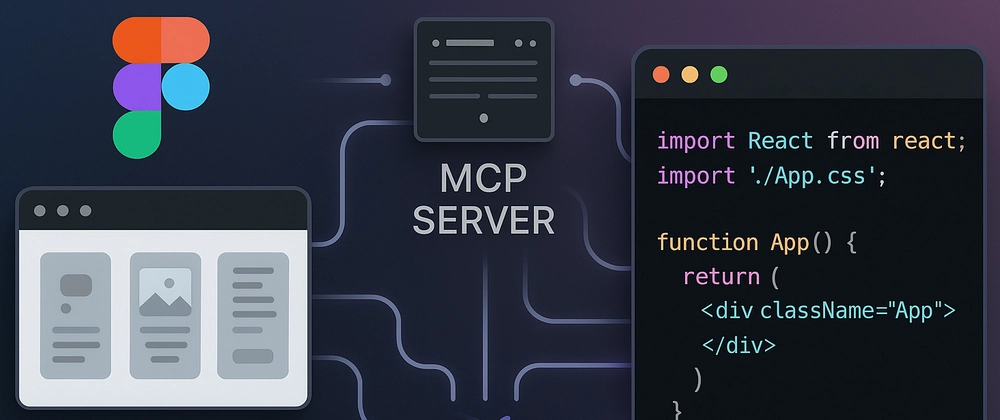
Yes. We build secure integration layers that connect your operational technology — SCADA/historian, MDM/meter data, GIS, and field-service tools — to new AI and reporting software using APIs and, where it fits, MCP servers. We layer intelligence and automation on top of the infrastructure you already run rather than asking you to replace it, and we work within your OT/IT security boundaries.
Do you work with renewable and distributed energy operators?
Absolutely. We build project-admin and monitoring tools for solar, wind, and battery operators — generation and performance monitoring, connection and grid-compliance paperwork, and the reporting that sits behind renewable projects. Our work with Sunivo, a solar developer, is a good example: structured software and process cut their development delivery time by 50%.
How do you handle the security requirements of critical infrastructure?
We treat energy and utilities as critical infrastructure from day one: network segmentation between OT and IT, encrypted communications, role-based access, audit logging, and alignment with the SOCI Act and relevant Australian standards. We deploy within your existing security architecture, work alongside your security team, and hand over systems that run on infrastructure you own and control.
What does custom energy and utilities software cost — and how fast does it ship?
We work in two-week sprints with a defined deliverable and an agreed price of around $10k per sprint. A focused build — say, automated AER reporting or a field-data validation pipeline — is typically one to two sprints. A larger platform tying together meter data, outage workflows, and compliance reporting is scoped in stages, so you fund and prove the highest-return piece first rather than committing to a six-figure build on day one.
Can you build software for both small utilities and large network operators?
Yes — we build across the range. Smaller retailers, embedded-network operators, and renewable developers usually start with one high-return piece, like meter-data reconciliation or compliance reporting. Larger network and generation operators get software built for scale, data-residency, and integration across many sites, feeders, and market systems. Either way it's custom to how you operate and integrates with the systems you already run.
Do you build energy software for companies outside Melbourne?
Yes. We're Melbourne-based but work with energy retailers, generators, network operators, and utilities across Australia — Sydney, Brisbane, Perth, Adelaide, and regional operators included. Delivery is remote-first with on-site workshops where they add value, and every system runs on infrastructure you own.
Related services
AI Integration
We build AI integrations, LLM agents, MCP servers, and workflow automation that replaces manual work and compounds over time.
Custom Software
We scope tight, build in sprints, and ship working software in weeks. No 200-page requirements docs or offshore handoffs.
Digital Transformation
Replace slow manual processes with fast automated ones. Process mapping, tool integration, and AI automation.
Industries we work across
The same AI and custom software patterns transfer across sectors. See how we help teams in related industries.
Ready to get started?
Book a free 30-minute scoping call. We'll tell you honestly whether we can help.